The Biggest Challenges Event Planners Face and How to Overcome Them

Planning an event can be exciting, rewarding and fulfilling. However, behind every beautiful wedding, successful corporate conference, birthday celebration or memorable social gathering is an event planner working tirelessly to ensure everything goes according to plan.
From managing demanding clients and working with vendors to handling tight budgets and finding suitable venues, event planning comes with several challenges that require patience, creativity and excellent organizational skills.
In Nigeria, where events are an important part of social, cultural and business life, event planners must constantly find ways to deliver exceptional experiences while managing different expectations and unexpected situations.
Whether you are an experienced event planner or just starting your journey in the industry, understanding these challenges and knowing how to overcome them can make a significant difference in your success.
Here are some of the biggest challenges event planners face and practical ways to overcome them.
1. Finding the Perfect Venue
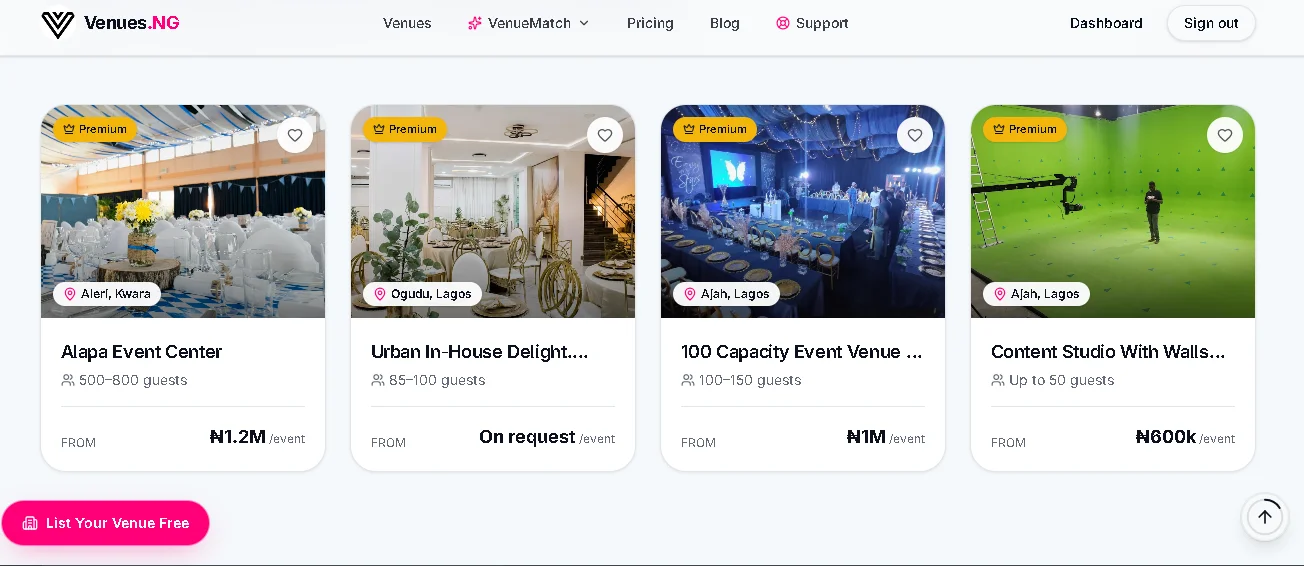
One of the biggest challenges event planners face is finding a venue that meets their clients' expectations. Clients often have specific requirements regarding location, capacity, accessibility, facilities, appearance and budget. Finding a space that satisfies all these requirements can be time-consuming.
For example, a client planning a wedding reception may need an elegant hall with sufficient parking, while a corporate client may require a professional space with reliable electricity, good ventilation and modern facilities.
How to overcome it:
Understand your client's venue requirements before beginning your search.
Confirm the expected number of guests and preferred location.
Consider parking, accessibility, facilities and available amenities.
Compare venue prices and available options.
Inspect the venue before making a booking.
Always have alternative venue options in case your first choice is unavailable.
Finding the right venue does not have to be stressful.
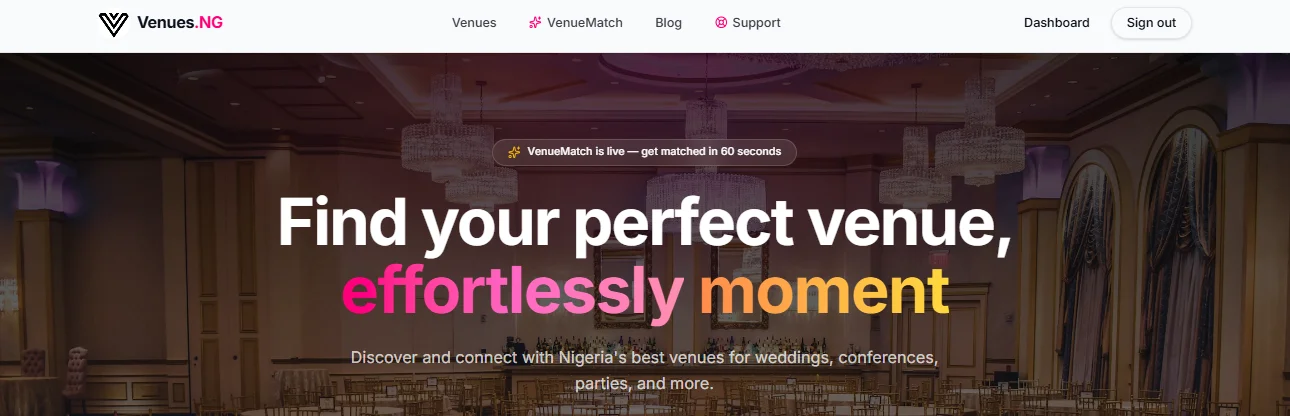
With Venues.NG, event planners can discover different venues across Nigeria, explore venue photographs, check locations and compare available options based on their event requirements.
Whether you are organizing a wedding, birthday celebration, conference or corporate event, Venues.NG helps make venue discovery easier and more convenient.
2. Managing Tight Budgets
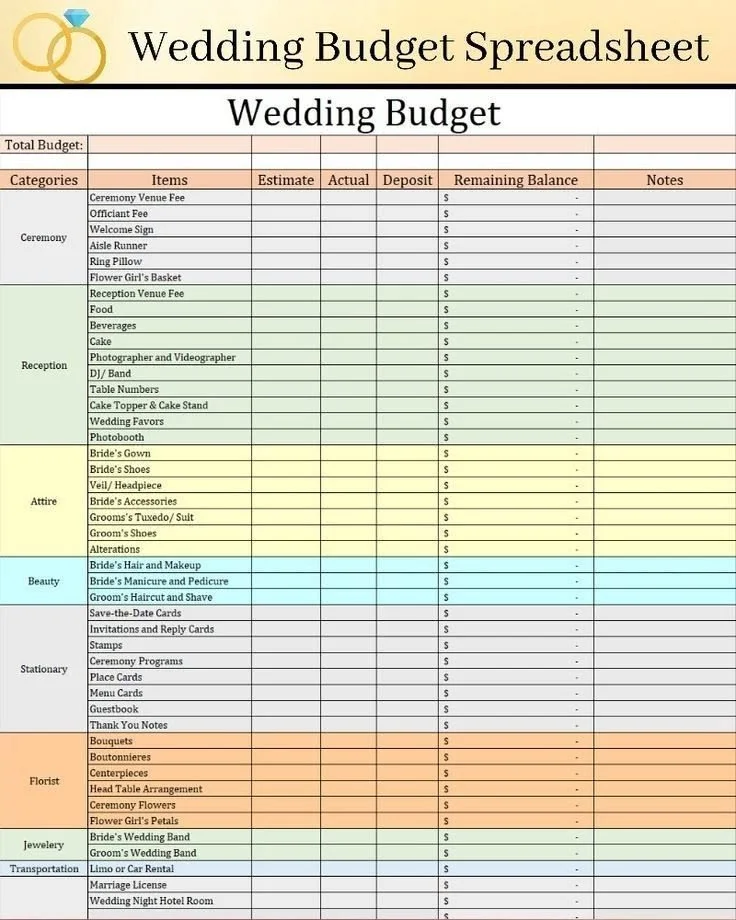
Budget management is another major challenge in the event planning industry. Clients often have big expectations but limited budgets. They may want beautiful decorations, quality catering, professional photography and an impressive venue without exceeding their financial limits. Additionally, unexpected expenses can arise during the planning process, making it difficult to stay within the original budget.
How to overcome it:
Establish the client's budget before making arrangements.
Break down expenses into clear categories.
Request quotations from multiple vendors.
Prioritize essential event requirements.
Negotiate prices where possible.
Set aside a contingency budget for unexpected expenses.
Keep accurate records of payments and expenses.
Remember, successful event planning is not about spending the most money. It is about delivering the best possible experience within the available budget.
3. Dealing with Difficult Clients and Changing Expectations

Working with different clients means dealing with different personalities, preferences and expectations.
Some clients may frequently change their minds, request last-minute adjustments or expect services beyond the agreed budget.
These situations can create pressure and affect the planning process if they are not handled professionally.
How to overcome it:
Maintain clear communication from the beginning.
Listen carefully to understand your client's expectations.
Establish realistic timelines and responsibilities.
Document agreed services, costs and changes.
Communicate additional charges before carrying out extra requests.
Remain patient and professional, even during difficult conversations.
Setting clear expectations helps prevent misunderstandings and builds stronger relationships with clients.
4. Working with Unreliable Vendors
Event planners depend on different vendors to deliver successful events. Unfortunately, not every vendor delivers according to expectations.
Late deliveries, poor communication, unexpected price changes and cancellations can disrupt even the most carefully organized event.
How to overcome it:
Work with vendors who have a proven track record.
Check previous work, reviews and recommendations.
Agree on prices, deadlines and responsibilities in advance.
Maintain written agreements where appropriate.
Confirm arrangements before the event day.
Have alternative vendors available in case of emergencies.
Building a reliable network of vendors makes event coordination easier and reduces unnecessary stress.
5. Handling Last-Minute Changes and Unexpected Situations
No matter how carefully an event is planned, unexpected situations can happen.
A vendor may arrive late, the weather may change, equipment may malfunction or the number of guests may increase unexpectedly.
These situations require quick thinking and effective problem-solving.
How to overcome it:
Prepare a detailed event checklist.
Create a realistic event timeline.
Have backup vendors and alternative arrangements.
Confirm all bookings before the event.
Keep emergency contacts readily available.
Allocate extra time for important activities.
Remain calm and focus on finding practical solutions.
A good event planner is not someone who never experiences problems but someone who knows how to manage them effectively.
6. Managing Time and Coordinating Multiple Activities

Event planning involves handling several responsibilities simultaneously.
From communicating with clients and vendors to organizing decorations, managing payments and supervising event preparations, there is often a lot to accomplish within limited time.
Poor time management can lead to missed deadlines, confusion and unnecessary pressure.
How to overcome it:
Create a detailed planning schedule.
Break large tasks into smaller responsibilities.
Use digital calendars and project management tools.
Set deadlines for vendors and service providers.
Delegate responsibilities to reliable team members.
Prioritize urgent and important activities.
Conduct regular progress checks.
Proper organization helps ensure that every aspect of the event receives the attention it deserves.
7. Attracting New Clients and Building Visibility
Finding clients is one of the biggest challenges for both new and established event planners.
The industry is competitive, and having excellent planning skills is not always enough to attract consistent business.
Potential clients need to know your services, see examples of your work and trust your ability to deliver quality events.
How to overcome it:
Build a professional social media presence.
Share pictures and videos of successfully organized events.
Create a portfolio showcasing your services.
Encourage satisfied clients to provide testimonials.
Network with venue owners, vendors and other industry professionals.
Ask previous clients for referrals.
Maintain an updated online presence where potential clients can discover your services.
Visibility creates opportunities. The more people become aware of your services, the greater your chances of attracting new clients.
8. Managing Client Expectations and Delivering Quality Service
Clients expect event planners to transform their ideas into memorable experiences.
However, turning a client's vision into reality requires careful coordination, attention to detail and consistent communication.
Sometimes, clients may expect unrealistic results within a limited budget or timeframe.
How to overcome it:
Understand the client's vision before making recommendations.
Explain what is achievable within their budget.
Provide realistic timelines.
Share progress updates throughout the planning process.
Pay attention to details.
Conduct final checks before the event begins.
Request feedback after the event.
Delivering quality service encourages repeat business, positive reviews and referrals.
Final Thoughts: Turn Event Planning Challenges into Opportunities
Event planning is not always easy, but every challenge presents an opportunity to learn, improve and become a better professional.
By developing strong communication skills, managing budgets effectively, building reliable vendor relationships and staying organized, event planners can overcome common industry challenges and deliver memorable experiences.
One important part of successful event planning is knowing where to find the right resources, especially when selecting a venue.
Make Your Venue Search Easier with Venues.NG!
Finding the perfect venue should not take up all your planning time.
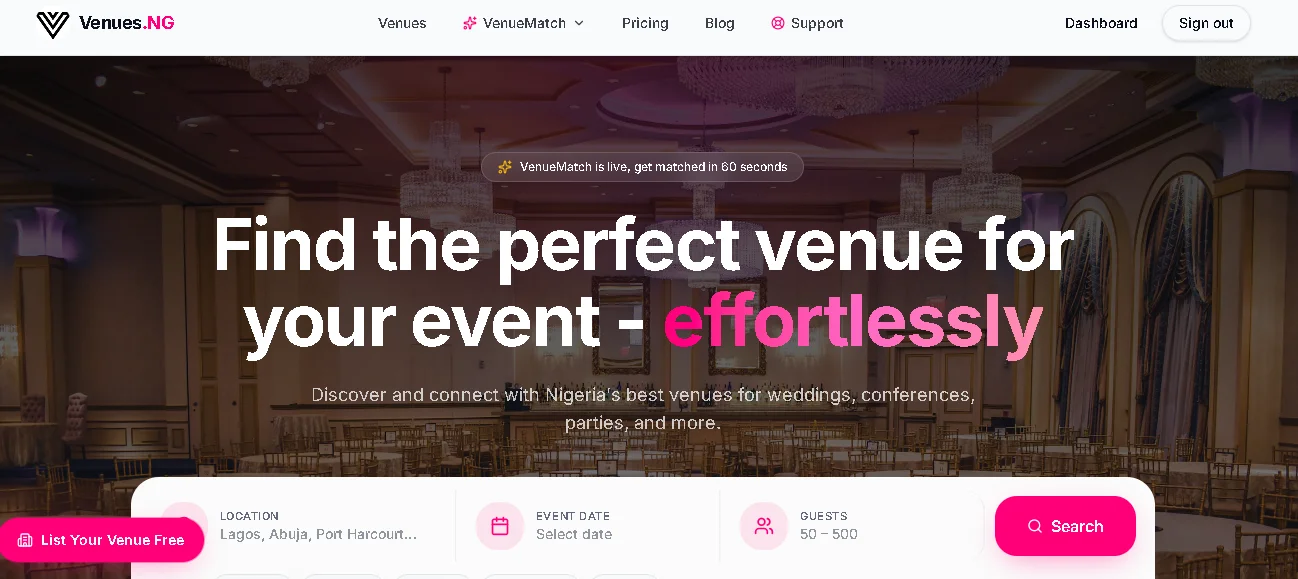
Venues.NG is Nigeria's trusted venue marketplace, helping event planners discover spaces for different occasions.
Explore venue listings, view photographs, compare options and discover locations that match your clients' event needs.
Whether you are planning a wedding, birthday celebration, corporate conference or social gathering, your ideal venue could be waiting for you on Venues.NG.
Visit www.venues.ng today and take the stress out of finding the right venue.
Venues.NG – Find. Book. Celebrate.