
How to Build a Winning Event Vision: A Complete Guide for Nigerian Event Hosts
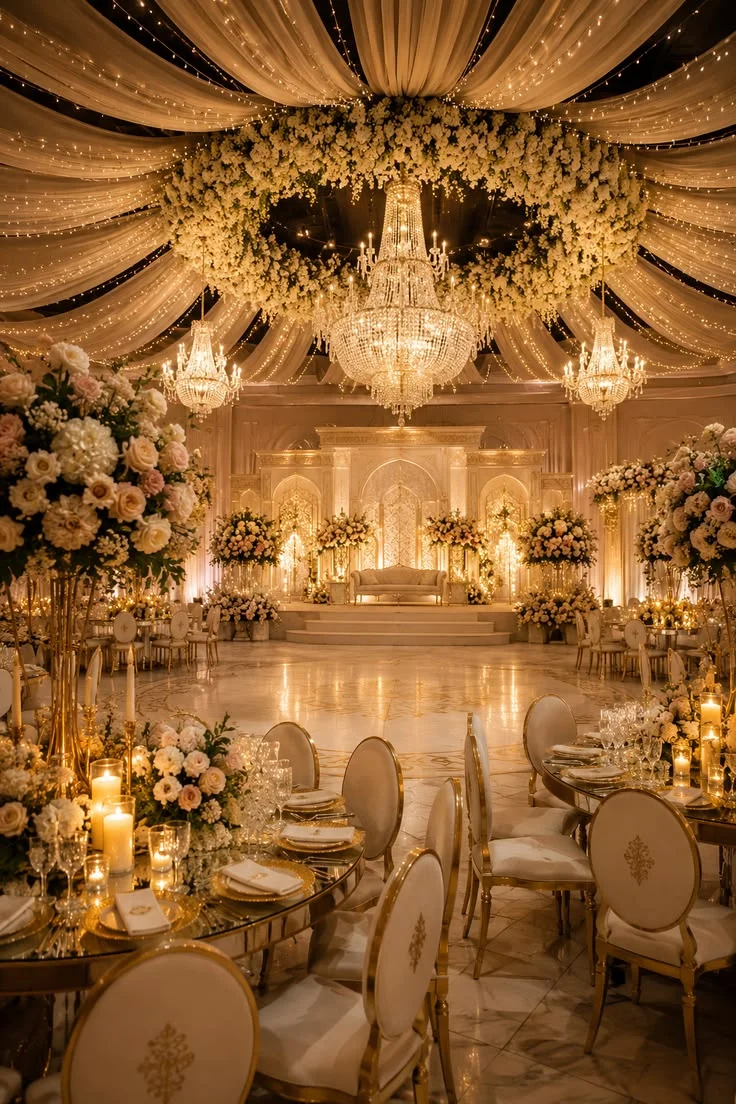
Learn how to craft a clear, compelling event vision before booking your venue. A strong event concept ensures every element, venue, decor, catering, entertainment, works in harmony
Before the Venue, Before the Budget, Define the Vision
The single most common mistake made by first-time event planners in Nigeria is starting the planning process by searching for venues. It seems logical: you have a date, you have a rough guest count, so you start looking at options. But searching for a venue before you have a clearly articulated event vision is like choosing a costume before deciding what character you are playing. The result, almost inevitably, is an event that feels assembled rather than designed, a collection of elements that do not quite cohere into a unified, memorable experience.
A winning event vision is the creative and strategic blueprint from which all other decisions flow. It defines not just what will happen at the event, but what guests will feel, what story the event tells, and what they will remember long after they have gone home. Once your vision is clear, every subsequent decision, venue, decor, catering, music, programme content, even the wording of the invitation, can be evaluated against that vision as a benchmark. This guide walks you through the process of building an event vision from scratch, with specific attention to the Nigerian event context.
Step 1: Start With the Emotion You Want to Create
The most powerful events are defined not by their logistics but by the emotions they generate. Ask yourself: how do you want your guests to feel when they walk into the venue? Inspired and energized? Warmly welcomed and celebrated? Impressed and confident in your organization? Nostalgic and moved? This emotional target becomes the north star of your vision. Every decision that follows, the colour palette, the music, the lighting, the food, the pace of the programme, should be evaluated against whether it moves your guests towards that emotional target or away from it.
A corporate conference designed to inspire confidence should feel authoritative, polished, and modern. A retirement dinner designed to celebrate a lifetime of contribution should feel warm, personal, and generous. These are different emotional targets, and they require entirely different approaches to venue selection, decor, and programme design. The sooner you define the emotional target, the more coherent every other planning decision becomes.
Step 2: Define the Narrative Arc of the Event
Every successful event has a narrative arc, a beginning, middle, and end that take guests on a journey. Think of the arrival experience as the opening of your story: what is the first impression? What do guests see, hear, and smell as they approach the venue entrance? Is there music playing? Are there welcoming staff at the door? The middle of the event is where the core content or celebration happens, speeches, performances, dinner, breakout sessions. This is where the emotional peak of the event occurs, and your programme should build towards it rather than delivering the highlight in the first fifteen minutes.
The end of the event should leave guests with a sense of completion and a positive final impression, a memorable send-off moment, a parting gift, a closing toast, or a spectacular finale that makes the last memory of the event as strong as the first. When touring potential venues on Venues.ng, assess whether the physical architecture of the space naturally supports this narrative arc, is there a grand entrance that creates a compelling arrival experience? Is there a main stage or focal point that the dining or seating arrangement naturally faces?
Step 3: Consider All Five Senses
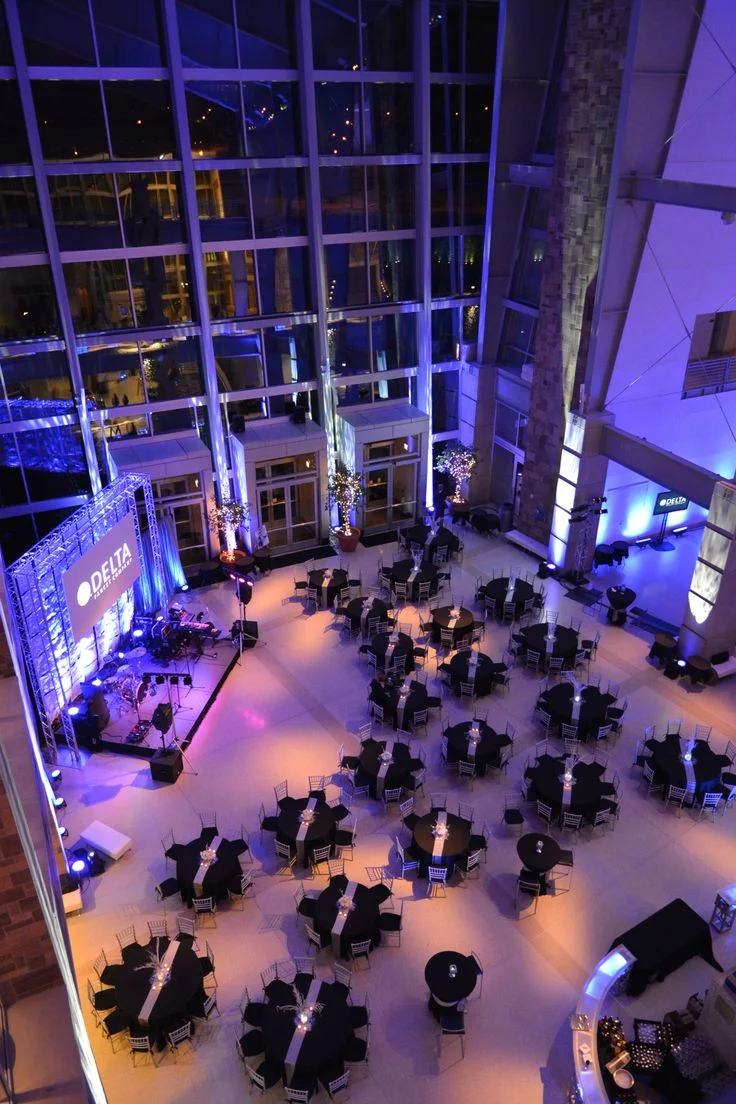
The most immersive events engage all five senses. Most Nigerian event planners focus primarily on the visual, decor, lighting, table settings, stage design, and to a lesser extent the auditory through music and entertainment. But the experiential planners who consistently produce events that guests describe as exceptional also think carefully about smell, the scent of fresh flowers, catered food, or a specific fragrance diffused through the space, touch, meaning the quality of linen and the weight of stationery, and taste, not just the quality of the food but the thoughtfulness of the menu in relation to the event theme.
When touring potential venues, assess the sensory environment holistically. What does the space smell like? What is the ambient noise level from the street or adjacent spaces? Is the furniture comfortable enough to keep guests relaxed through a long evening? These sensory factors are invisible in venue photographs but critical in the real experience your guests will have.
Step 4: Align the Vision With Your Audience
A vision that is disconnected from the realities of your audience is a fantasy rather than a plan. The most beautifully conceived event vision can fail if it is misaligned with the expectations and preferences of the people it is designed for. A highly theatrical, avant-garde event concept might thrill a creative industry audience and alienate a conservative banking sector guest list. A casual, spontaneous format might energize a startup team and make government officials feel uncomfortable and underprepared.
In Nigeria, where cultural diversity means that the same event may be attended by guests from significantly different regional, religious, and professional backgrounds, this alignment exercise is particularly important. A vision that accounts for this diversity, that finds ways to feel inclusive and relevant to the full range of guests present, will always outperform one that has been designed with too narrow an audience in mind. Build a brief guest persona for the key demographic segments who will be attending, and pressure-test your vision against each of them.
Step 5: Translate the Vision Into a Venue Brief
Once your event vision is clear and documented, translate it into a venue brief, a document that communicates the vision clearly to venue managers so that they can accurately assess whether their space can deliver the experience you have in mind. A good venue brief includes the emotional tone and theme of the event, the type of programme, the guest profile and count, the setup configuration required, the AV and technology needs, the catering requirements, and any specific aesthetic or logistical requirements.
Sharing this brief with venues you contact through Venues.ng will significantly improve the quality of the responses you receive. Rather than comparing venues on a simple price-per-head basis, you will be comparing them on their ability to bring your specific vision to life, a much more meaningful basis for decision-making.
Conclusion: Vision First, Venue Second
The sequence matters: vision first, venue second. With a clear event vision in place, your venue search on Venues.ng becomes purposeful and efficient, you know exactly what you are looking for and why, and you can assess each option quickly against a clear brief. Without that vision, the venue search is guesswork, and guesswork in event planning leads to events that feel generic rather than exceptional. Invest the time in building your vision properly, and the rest of the planning process will follow with greater clarity, confidence, and creative coherence.