
Rush Season Success: What Every Venue Owner Should Do During Peak Event Periods in Nigeria
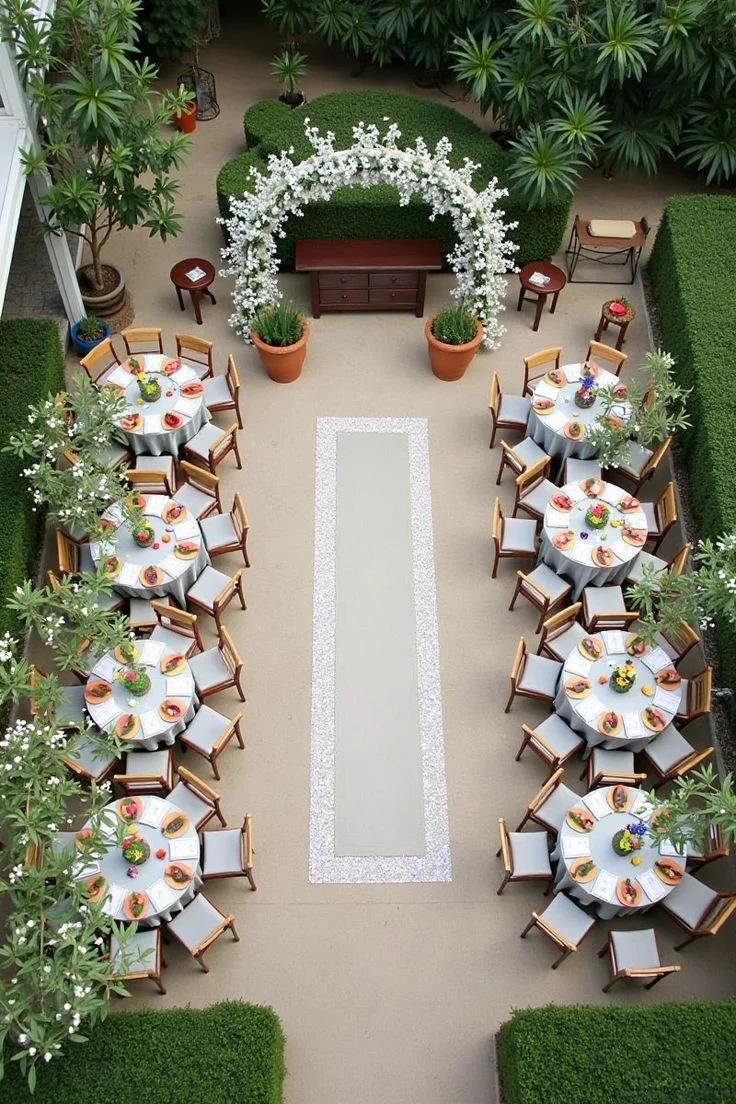
For venue owners, peak event seasons can be both exciting and overwhelming. Weddings, corporate events, end-of-year parties, birthdays, conferences, and religious gatherings create a surge in demand that can quickly fill up calendars.
However, being busy does not automatically translate into higher profits. The most successful venue owners use rush seasons strategically to maximize revenue, improve customer experience, and secure future bookings.
In this guide, we'll explore what venue owners should do during different peak event seasons and how to make the most of every booking opportunity.
Understanding Nigeria's Peak Event Seasons
Different events peak at different times throughout the year:
Wedding Season
Typically peaks between April and December, with particularly high demand during festive periods and long weekends.
Corporate Event Season
January to March often sees strategy meetings, kick-off events, trainings, and conferences. Corporate demand also rises significantly from September through December as companies plan end-of-year events and celebrations.
Holiday and End-of-Year Season
October to December is one of the busiest periods for venues, driven by corporate parties, weddings, family celebrations, and festive gatherings.
Graduation and Celebration Season
May through August often brings graduations, birthdays, anniversaries, and social celebrations.
The key lesson? The best venue owners prepare months before the rush begins.
1. Update Your Venue Listing Before Demand Peaks
One of the biggest mistakes venue owners make is waiting until the busy season arrives before updating their online presence.
Before rush season:
Upload fresh venue photos
Update pricing information
Highlight new amenities
Add recent event images
Verify capacity details
Update contact information
Potential clients compare multiple venues before making a decision. An outdated listing can cause you to lose bookings to competitors.
On Venues.NG, a complete profile helps event planners find and evaluate your venue faster.
2. Respond to Enquiries Quickly
During peak seasons, clients often contact several venues at the same time.
If you take days to respond, another venue may secure the booking first.
Best practices include:
Responding within hours whenever possible
Creating standard quotation templates
Preparing frequently asked questions
Assigning a dedicated enquiry manager
Speed creates confidence and increases conversion rates.
3. Create Seasonal Packages
Rush seasons create opportunities to package services and increase revenue.
Examples include:
Wedding Packages
Venue hire
Decoration partnerships
Bridal suite access
Photography spaces
Corporate Packages
Conference setup
Audio-visual equipment
Refreshment options
Breakout rooms
Holiday Packages
End-of-year party setup
Entertainment options
Group discounts
Catering partnerships
Packages simplify decision-making and help clients see more value in your offering.
4. Optimize Your Calendar
Many venues focus only on weekends and miss opportunities during weekdays.
During rush seasons:
Promote weekday bookings
Offer morning and afternoon event slots
Create half-day packages
Encourage corporate bookings during weekdays
A well-managed calendar increases occupancy and revenue throughout the week.
5. Strengthen Relationships with Event Planners
Event planners are one of the most valuable sources of repeat business.
During peak seasons:
Maintain regular communication
Offer venue tours
Share updated pricing and availability
Provide planner incentives where appropriate
A single planner can bring multiple bookings throughout the year.
6. Build a Reliable Vendor Network
Rush seasons require strong partnerships.
Develop relationships with:
Caterers
Decorators
Photographers
Security providers
Equipment rental companies
Event planners
Reliable partners improve service delivery and reduce operational stress.
7. Prepare Your Team for Increased Demand
Peak seasons often expose operational weaknesses.
Before the rush:
Train staff on customer service
Review event procedures
Test equipment
Establish emergency response plans
Create event-day checklists
Preparation reduces mistakes and enhances client satisfaction.
8. Capture Content During Every Event

Every event hosted is a marketing opportunity.
With client permission:
Take professional photos
Record short videos
Capture venue transformations
Collect testimonials
This content can be used to attract future clients and keep your venue visible online.
9. Encourage Early Bookings
The smartest venue owners don't wait for demand to arrive.
Offer incentives for:
Early reservations
Multiple-event bookings
Corporate annual agreements
Repeat customers
Early bookings improve cash flow and provide better visibility into future revenue.
10. Think Beyond the Current Season
Rush season should not only fill today's calendar, it should help secure tomorrow's bookings.
At every event:
Collect customer feedback
Build your email database
Encourage referrals
Showcase upcoming availability
Promote future event dates
Every successful event should create opportunities for future business.
Final Thoughts
Rush season is more than a busy period, it's an opportunity to increase revenue, strengthen your brand, and build long-term relationships.
Venue owners who prepare early, respond quickly, maintain strong partnerships, and market strategically are the ones who consistently outperform their competitors.
At Venues.NG, we help venue owners increase visibility, connect with qualified event planners, and attract more bookings throughout the year.
The venues that win during rush season are not always the biggest, they are the ones that are the most prepared.