
How to Set a Realistic Event Budget in Nigeria: A Venue Planner's Financial Guide
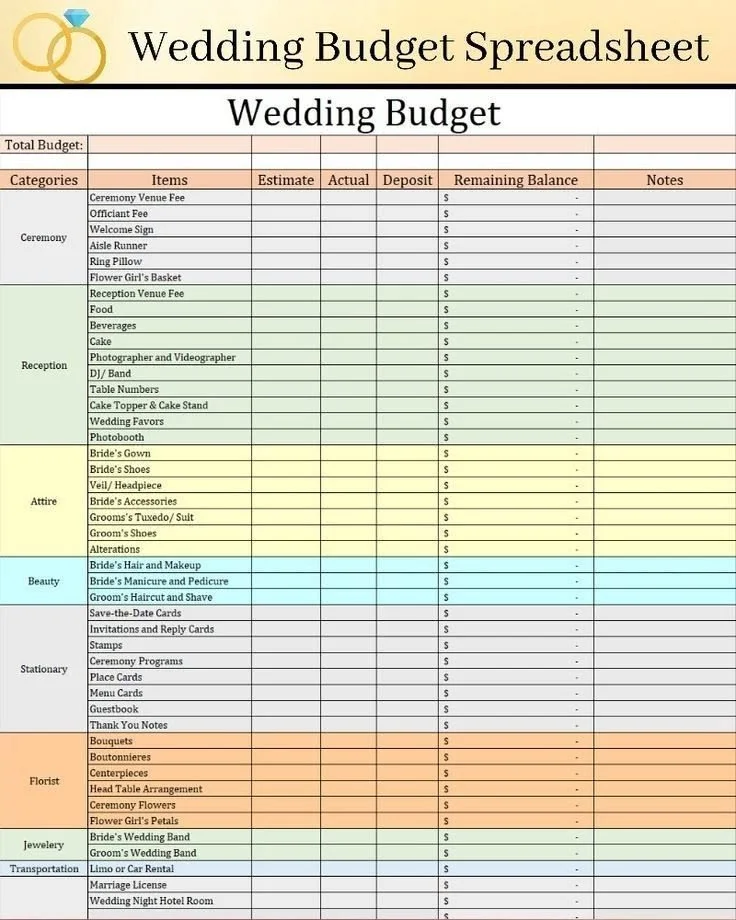
Struggling with event budgeting in Nigeria? Learn how to build a realistic event budget covering venue hire, catering, AV, decor, and the hidden costs that catch planners off guard.
Why Nigerian Event Budgets Go Wrong
Event budgeting in Nigeria is a skill that takes years to master. The sheer complexity and unpredictability of a market where costs can shift dramatically in short periods, where all-inclusive packages frequently exclude more than they include, and where the gap between the quoted price and the final invoice can be uncomfortably wide means that even experienced planners sometimes find themselves managing events that are running significantly over budget. Exchange rate fluctuations affect the cost of imported AV equipment. Last-minute demand spikes around popular event dates drive up venue hire rates.
Generator fuel costs vary with diesel prices. These structural market realities mean that a budget that seems conservative at the planning stage can look optimistic by the event day.
This guide is designed to help you build an event budget that is realistic from the start, one that accounts for the full range of costs you will actually face, builds in appropriate contingency for the unexpected, and gives you the financial clarity to make smart trade-off decisions throughout the planning process.
The Five Budget Categories Every Event Needs
A well-structured event budget in Nigeria typically organizes costs into five main categories. First is Venue and Infrastructure, covering room hire, generator fuel, furniture rental, and any infrastructure hire required beyond what the venue provides. Second is Food and Beverage, covering all catering costs including the service charges and VAT that most caterers add to the stated menu price. Third is Production and Technology, covering AV equipment, lighting, staging, PA systems, and the technical crew. Fourth is
Decor and Creative, covering floral arrangements, linen, centrepieces, themed installations, and custom print or signage. Fifth is Talent and Entertainment, covering speakers' fees, live performers, DJs, MCs, and any associated riders.
Beyond these five main categories, always include a sixth line for Contingency, typically 10 to 15 percent of the total budget. This is not a line you hope to spend; it is a financial buffer for the inevitable surprises that arise in every event: the generator that needs extra fuel, the AV equipment that requires a last-minute replacement, the additional rounds of catering needed because more guests arrived than expected.
Budgeting for Your Venue: What Is Really Included?
The venue hire fee is typically the largest single line item in an event budget, and it is also the one most prone to unexpected additions. Standard add-ons that frequently appear separately include: air conditioning and generator surcharge, AV equipment hire, tables and chairs above the venue's standard inventory, linen and table dressing, catering setup and breakdown fees, security staff, parking management, and cleaning fees. The most reliable way to get an accurate venue cost is to request a fully itemized quote that includes every possible cost. Once you have this, you can make meaningful comparisons between venues on Venues.ng, not just comparing headline hire rates but total cost of use.
Catering Costs: Building Accurate Estimates
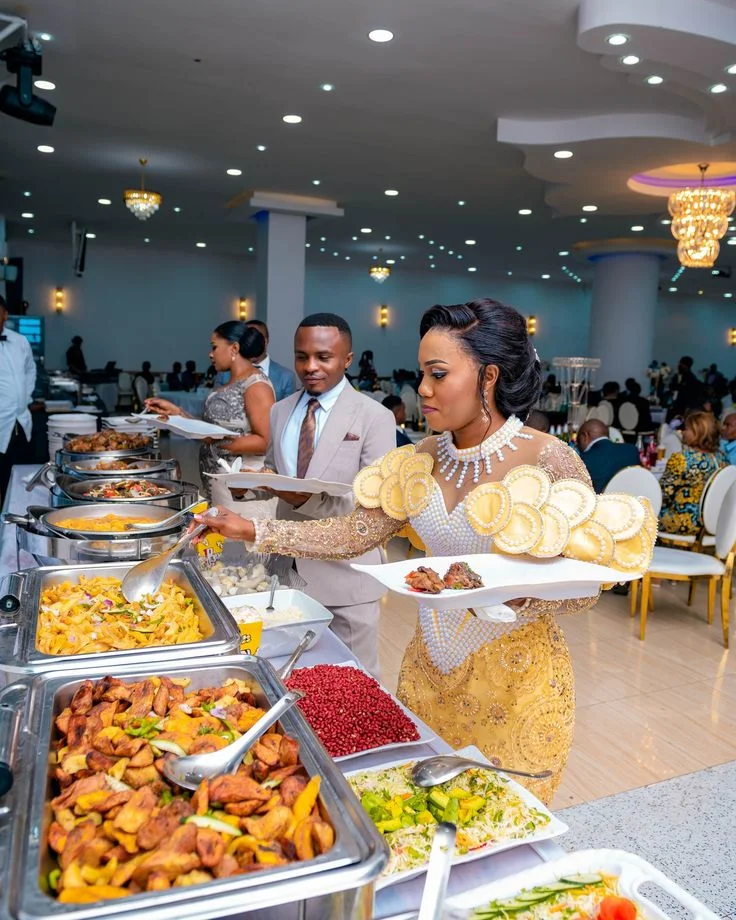
Catering is typically the second-largest budget line for most Nigerian events, and it is the one that most commonly runs over estimate. The reasons are multiple: underestimated guest counts, menu upgrades requested late in the planning process, additional rounds of food needed because the event runs longer than planned, and the service charges and VAT that appear on the final invoice but were not prominent in the initial quote. When budgeting for catering, always calculate on a per-head basis and apply a buffer of 10 to 15 percent above your expected guest count. Ask caterers specifically whether their quoted prices include service charges and VAT, and whether the per-head price changes if your confirmed count varies from the estimate.
Hidden Costs That Catch Event Planners Off Guard
Every experienced event planner has a mental list of costs that did not appear on the initial quote but arrived on the final invoice. Some of the most common in the Nigerian context include: diesel for generator top-ups when an event runs long, overtime charges for venue staff and AV crew when the event exceeds the originally agreed end time, waste management fees for large outdoor events, security deposits that are partially retained for minor damage, and transport costs for moving rented equipment between vendor locations and the venue. The best defence against these hidden costs is an extremely detailed contract with every vendor and supplier. If it is not written in the contract, it is subject to interpretation, and interpretation in a late-night argument about overtime charges rarely goes in the event planner's favour.
Prioritization: Where to Spend and Where to Save
Not every budget line deserves the same level of investment. The areas that have the highest visibility and impact on guest perception, and therefore deserve proportionally higher investment, are typically the venue itself, the food quality and quantity, and the entertainment or speaker programme. These are the elements guests are most likely to discuss after the event and most likely to remember positively or negatively. Areas where cost savings are more feasible without significantly impacting guest experience include elaborate printed materials in an era where digital invitations are entirely accepted, overly complex centrepieces for events where guests spend little time at their tables, and premium bar setups for events where the programme is content-heavy.
Conclusion: Budget With Clarity, Spend With Intention
A realistic event budget is not a constraint on your creativity, it is the foundation that makes creativity possible. When you know exactly how much you have to work with and how it is allocated, you can make deliberate choices about where to invest and where to save, confident that the total will not exceed what your client has approved. Use Venues.ng to get accurate, competitive venue pricing from the start, and apply the framework in this guide to build a budget that holds up from first draft to final invoice.