
10 Red Flags to Watch Out for When Booking an Event Venue in Nigeria
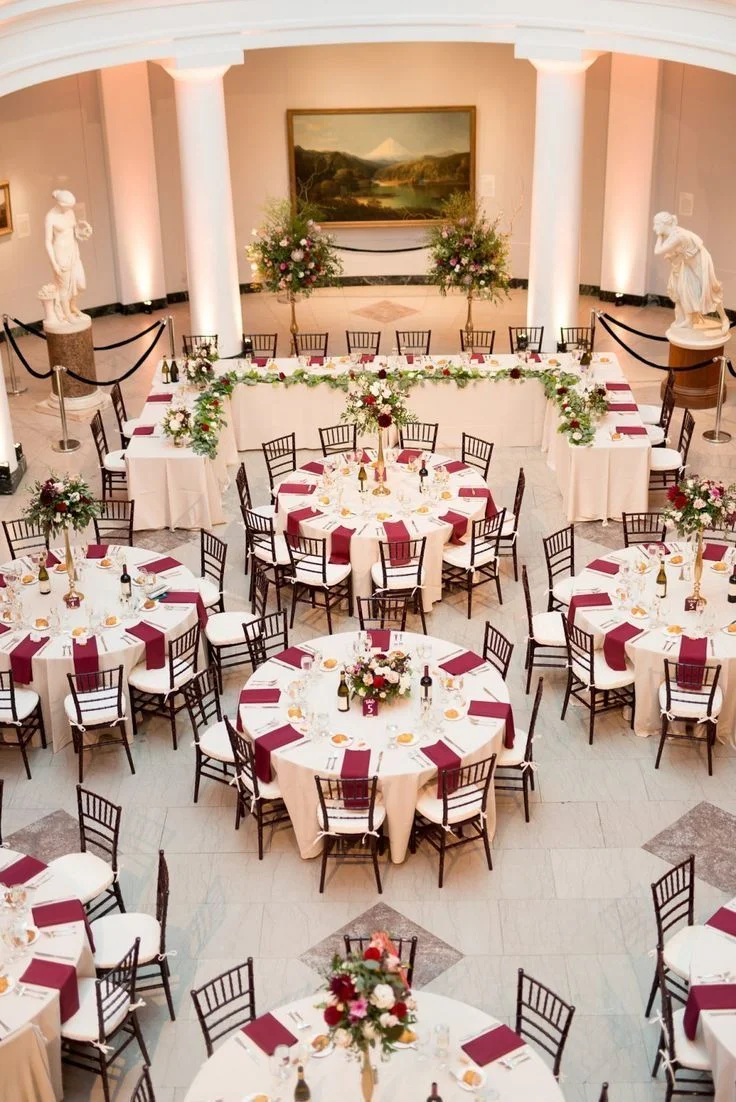
Avoid costly mistakes when booking your next event venue in Nigeria. Learn the 10 biggest red flags to watch for before signing any venue contract.
The Venue Booking Mistakes That Cost Event Planners Dearly
Every experienced event planner in Nigeria has at least one horror story. The venue that confirmed the booking and then double-let the room to another client. The beautiful hall that turned into a sauna because the air conditioning broke down on the day. The AV team that charged three times the quoted rate because the original quote was described as approximate. The caterer who ran out of food an hour into a four-hour event. These are not isolated incidents.
They are the predictable outcomes of a booking process that moved too fast, missed critical warning signs, or failed to put the right protections in place.
The venue booking industry in Nigeria is maturing rapidly, and there are many genuinely excellent venues and event spaces available across the country. But there are also venues that will promise you the world in their sales pitch and deliver something far less satisfying on the day. This article identifies the ten most common red flags that signal a venue is likely to cause problems, and explains what to do when you spot them. Whether you are booking a conference room for a team of twenty or a hall for a wedding of five hundred, these warning signs apply universally.
Red Flag 1: Vague or Verbal-Only Pricing
If a venue contact is reluctant to give you a clear, written, itemized quote, and instead quotes you a single number verbally or sends a brief WhatsApp message with a price, that is a significant warning sign. Transparent, professional venues provide written proposals that break down exactly what is included in the price and what attracts additional charges. Vague pricing almost always leads to disputes on the day of the event, when additional charges appear for things you assumed were included, AV setup, table linen, parking attendants, generator fuel, microphone hire. Always insist on a detailed written quote before paying any deposit.
Red Flag 2: No Clear Cancellation or Refund Policy
A professional venue will have a clear, written cancellation policy that specifies exactly what happens to your deposit and any payments already made if you need to cancel or reschedule. In Nigeria's event industry, it is not uncommon for clients to lose entire deposits due to circumstances outside their control because the venue's cancellation terms were never clearly agreed in writing.
Protect yourself by insisting that cancellation terms are specified in your contract before you pay anything. If the policy seems to give all financial power to the venue with no consideration for extraordinary circumstances, that is a meaningful red flag worth negotiating before you sign.
Red Flag 3: Unavailability for a Site Visit
Any venue that refuses or is repeatedly unavailable for a physical site inspection before you book should raise immediate concern. A reputable venue actively welcomes site visits, they know that what clients see in person will confirm the quality of their sales materials and seal the booking. A venue that discourages or delays site visits may have something to hide: a maintenance issue, a size discrepancy between the photos and reality, or simply an unprepared operations team. Always visit a venue in person before committing, especially for large or high-budget events. If you are booking a venue in a city where you are not based, ask for a detailed video walkthrough as a minimum.
Red Flag 4: Poor Communication Response Times
The speed and quality of a venue's communication during the pre-booking phase is a reliable predictor of how they will perform on the event day. If enquiries go unanswered for days, if messages are responded to with incomplete information, or if you find yourself repeatedly following up to get basic answers, that is a strong signal of an operations team that is either poorly organized, understaffed, or not genuinely interested in your business. On the day of your event, you will need to communicate rapidly with the venue team about setup adjustments, delivery arrivals, timing changes, and unexpected problems. A venue that is slow in the comfortable sales period will be even less responsive under the pressure of event day.
Red Flag 5: No Generator or Unreliable Power Backup
Nigeria's power supply situation makes generator backup not a luxury but an absolute requirement for any event venue. A venue that cannot confirm it has a working, adequate generator, or that minimizes the importance of this question, is a venue that is not prepared for the Nigerian operating reality.
Ask specifically: What is the capacity of the generator? Is it sufficient to power the air conditioning, lighting, AV equipment, and catering kitchen simultaneously? How quickly does the generator kick in after a power outage?
When was the generator last serviced? These are basic due diligence questions, and any professional venue will answer them clearly.
Red Flag 6: Outdated or Misrepresented Photos
In the age of Instagram and well-produced venue listings, it is easy for a venue to present an idealized or outdated version of their space online. A venue that looks spectacular in photographs may have aged poorly, may have deferred maintenance on visible fixtures and fittings, or may have been photographed at a flattering angle that conceals a much smaller space. Always verify that the photos on Venues.ng or the venue's own website are current and accurate.
During your site visit, compare what you see against what was shown to you online. If there are significant discrepancies, that suggests the venue is either not maintaining their space or not being transparent with potential clients.
Red Flag 7: Overclaiming Capacity
Some venues in Nigeria, particularly those in high demand, are prone to overstating their capacity to secure bookings. The result is an event where there is inadequate seating, cramped movement, overloaded catering facilities, and potentially a safety risk if emergency evacuation is required. Always verify capacity claims against the specific layout you are planning. If the venue tells you a room holds 300 people but this is a standing capacity and your event requires seated dining, insist on a seated capacity figure for your specific configuration. If possible, visit the venue when a comparable event is in progress to see how the space actually feels at the stated capacity.
Red Flag 8: Inflexibility Around Vendors and Caterers
Some venues insist that clients use their in-house catering and AV services exclusively. This is not inherently a red flag, in-house services can be excellent. But if a venue imposes restrictive policies without transparency, charges penalizing fees for bringing in external vendors, or makes it impossible to source a preferred caterer or DJ, that inflexibility can significantly limit your ability to deliver the event experience you envision. Always ask upfront about the venue's policy on external vendors. Can you bring in your own caterer? Can your preferred AV company bring in their equipment? What time can vendors arrive for setup?
Red Flag 9: No Written Contract
Perhaps the single biggest red flag in Nigerian venue booking is a venue that operates entirely on verbal agreements and WhatsApp confirmations without a formal written contract. A contract protects both parties, it specifies exactly what has been agreed, what will be delivered, what it will cost, and what happens if either party fails to fulfil their obligations. Without a written contract, you have no legal recourse if the venue fails to deliver, if they double-book the space, if the facilities are not as agreed, or if they retain your deposit without justification. Insist on a contract for every booking, no matter how small.
Red Flag 10: Negative Reviews That Go Unaddressed

Before booking any venue, search for independent reviews on Google, social media, and event planning forums. Pay particular attention to negative reviews, not just to what the complaint is, but to how the venue responded. A venue that responds to criticism with defensive or dismissive replies is showing you exactly how they handle problems. A venue that acknowledges issues sincerely and explains what steps have been taken to prevent recurrence is demonstrating accountability and commitment to improvement. Reviews that mention specific operational failures, generator issues, double bookings, late catering, poor service, should be taken seriously as predictors of future performance.
Conclusion: Due Diligence Every Time
The venue booking process in Nigeria is becoming increasingly professionalized, and platforms like Venues.ng are raising the bar across the industry. But no platform removes the need for careful due diligence on the part of the event planner. Use this list of red flags as a screening tool at every stage of your venue search, from your first online research to your site visit to your contract review. The extra time you invest in thorough evaluation before booking will pay dividends in confidence, smooth execution, and ultimately, events that succeed.